
Understanding the impact of meaningful reward and recognition
Author
Heather Bennett
Updated
This month Cornerstone Resources is focusing on the importance of employee recognition and what that looks like in an organisation. This can be as simple as a “well done” email from a line manager to an employee or being chosen as “employee of the month” and receiving a token of appreciation such as a voucher however there is a is a lot more in-depth theory behind employee recognition and how it works also how different employees like to receive recognition.
In this blog, Heather Bennett explores “Employee Reward and Recognition“, also known as “R and R” which best describes systems for acknowledging and incentivising employee performance.
So, what is employee recognition?
As per the Oxford dictionary reward and recognition is defined as “an act of recognising or the state of being recognised”. There are different types of recognition in the workplace this can include formal (structured programs, awards) and informal (verbal thanks, handwritten notes). Other categories include public (company-wide announcements, social media) versus private (one-on-one conversations), monetary (bonuses, gift cards) versus non-monetary (extra Paid time off, experiences), and team or peer-to-peer recognition.
Did you know- As of September 2025, 42% of UK employees report feeling undervalued at work according to research conducted by Perkbox this is a huge amount of the UK workforce that don’t feel recognised for the work that they do!
What are the principles of reward and recognition?
Reward principles are statements used to define how an organisation should recognise its employees and how to reward them for on target and above target performance. Ensuring all employees are rewarded and recognised in line with the organisations culture, goals and policy.
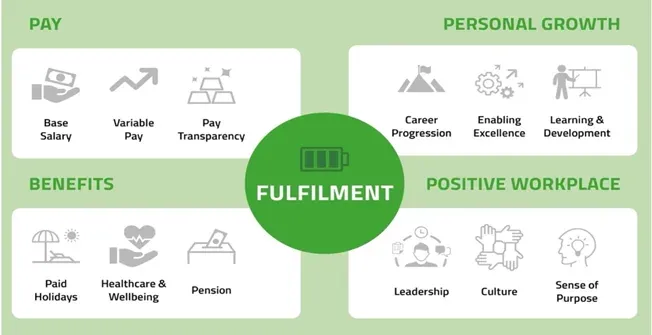
The two main types of rewards:
Intrinsic rewards – this is a positive feeling an employee experiences because of their achievements at work also known as internal personal interest. Intrinsic rewards are beneficial in the long term and work well for organisations as employees are motivated and enjoy their work, this is a more effective type of reward system
Extrinsic rewards – these are more financial drivers for example bonus, review in salary and profit sharing. Extrinsic rewards could be corporate gifts and a quarterly bonus; these can contribute to an employee’s performance and can be used for specific activities i.e.- hit a certain KPI over a certain period. The financial aspect will increase performance immediately and increase profit, however when the promise of reward is broken or taken away it can have a detrimental effect on performance as this will decrease dramatically affecting organisation’s profits and lead to the employee leaving as they are no longer motivated.
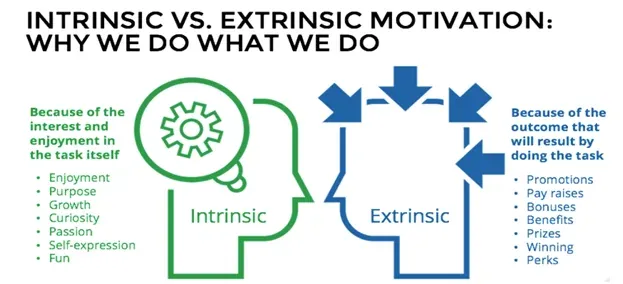
Transparency is a good example of an Intrinsic reward, by being a transparent organisation its builds trust and makes employees feel that they are working with a company with ethical standards. It also creates openness between managers and employees leading to a successful and profitable organisation. Transparency brings greater levels of employee engagement and support. Employees who feel uninformed about the business are less likely to trust their managers. This can create a divided culture in the workplace, team members can feel unsafe about discussing workplace and personal issues. The result of this could be loss of talent as they would leave the business. Using a business intranet platform for all employees to view this will allow employees to keep up to date with business news, employee awards, town hall meeting information you could even create a care and share icon where employees can feel free to air their concerns and have a dedicated HR team member respond and action.
Extrinsic rewards are tangible and driven by compensation, employees are rewarded for a certain amount of work being completed or hitting a KPI. Offering fair rewards to all employees such as yearly pay rises, paid time off, bonus and certain benefits can boost morale within the organisation and even boost productivity which can lead to positive behaviours. On the downfall extrinsic rewards does not create passion, you also need to review rewards continuously to keep it competitive, this can be a burden on the organisations profit, it also sets a dangerous precedent and may not be sustainable. An example of extrinsic rewards is offering business health insurance, offering this benefit will allow employees a higher standard of healthcare for a range of illness, conditions and even mental health. Offering this reward as part of the remuneration package can improve the wellbeing among the employees as well as attract and retain the best people.
During my CIPD study days, I came across a great theory that I found most interesting and to which I usually revert to, especially when I am advising clients around rewards and benefits in relation to employee recognition.
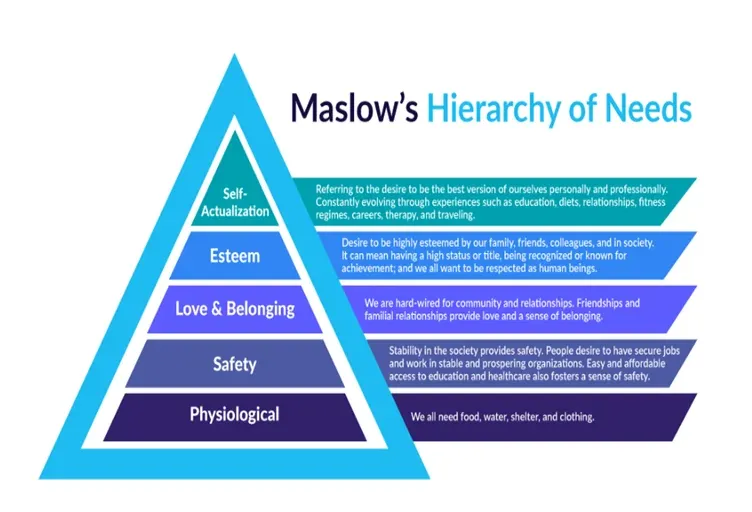
Maslow’s Hierarchy of Needs
Maslow’s theory states that our actions are motivated by certain physiological and psychological needs that progress from basic to complex. For example, creating a positive workplace culture that is aligned with the business core values and giving generous recognition and praise are two types of intrinsic rewards, by doing these workers feel valued and celebrated and have more intrinsic motivation to excel in their role. Giving positive feedback through a business platform i.e. monthly newsletter or in 121 meetings praising employees that have gone above and beyond is a great way to boost motivation and retain your top talent. The drawback of intrinsic rewards is it may not benefit all employees as most employees in an organisation work towards financial rewards this can lead to dis-engagement, lack of motivation and possibly loss of talent.
When implementing a reward/recognition system into the organisation the first step is to consider your audience, the key is to ensure the reward is inclusive and relevant to all employees across the business, not getting this right could impact the performance in a negative way. For example, setting employee KPI targets too high can demotivate employees as they may struggle to reach the target set, this in turn promotes a negative, disengaged culture and a decrease in performance.
Reward and recognition need to be in line with the organisational goals and culture and must be relative. For example, offering fair pay can attract and retain talent, by offering a fair inclusive reward can increase employee retention, better recruitment, and higher performance. It is crucial to have the right balance between job role, expectations and compensation.
As an organisation it is important that the reward and recognition is developed in line with the company goals and mission, this ensures everyone is working towards the same objective and rewarded for meeting benchmark targets.
Types of Employee Reward and Recognition:
Workplace cultures that help people thrive begin with employee recognition. When done right, recognition improves the quantity and quality of experience at work.
- Public recognition: Give “kudos” or shout-outs during team meetings or on internal company social media.
- Personalised notes: Write a specific message for a project well done, for example, “Thank you for your hard work”
- Peer-to-peer appreciation: Create a system where employees can thank and recognise each other for collaboration and support. At Cornerstone Resources we use the Kudos function on Breathe HR to give shout outs to members of the team.
- “Employee of the Month”: this is a traditional award for outstanding performance.
- Milestone and work anniversary celebrations: Recognise employees at key points in their tenure with the company.
- Value-based awards: Give an award to employees who exemplify the company’s values.
- Years of service awards: Acknowledge an employee’s loyalty and dedication after a significant period.
- Extra paid time off: Offer an additional day off as a reward- employee Birthday off.
- Experiential rewards: Take the team out for lunch or provide other experiences.
- Company products: Give away company-branded merchandise.
- Monetary awards: Provide bonuses for exceptional performance.
- Improved benefits: Offer benefits like flexible working hours, educational support, wellness programs, employee assistance programs
Summary of why you should consider employee reward and recognition.
In conclusion, employee rewards and recognition is all about showing appreciation for your team’s hard work and contributions. It can be as simple as saying “thank you” or as structured as formal awards and incentives. The goal is to make people feel valued, boost morale, and keep motivation high.
There are lots of ways to do it — shout-outs in meetings, handwritten notes, bonuses, or even just a quick message saying, “great job.” When employees feel seen and appreciated, they’re more likely to stay engaged, perform well, and stick around.
My Simple Theory to Employee Recognition:
